


Your happiness might not only depend on external factors like career, relationships, or financial success. Surprisingly, much of it could be determined by what is happening inside your gut. Over the past decade, research has revealed a fascinating link between gut health and mental well-being. Scientists now call the gut the “second brain” because of its strong connection to mood regulation, stress resilience, and overall happiness.
This connection isn’t just a wellness trend—it’s rooted in hard science. Inside your digestive system lives a diverse community of trillions of bacteria, fungi, and other microorganisms. Collectively, they make up the gut microbiome. When balanced, this ecosystem supports digestion, strengthens the immune system, and even produces neurotransmitters like serotonin and dopamine, which are often associated with happiness.
A poorly functioning gut, on the other hand, can disrupt this delicate balance. Issues such as bloating, fatigue, anxiety, or depression may arise when harmful bacteria outweigh the beneficial ones. The good news is that you can influence your gut health through diet, lifestyle, and mindful choices. By understanding how the gut-brain axis works, you gain the power to improve not only your digestion but also your emotional well-being.
In this article, we’ll explore the deep connection between gut health and happiness. You’ll learn how your microbiome influences mood, what foods help restore balance, and lifestyle habits that support both mental and physical wellness. By the end, you’ll see why nurturing your gut is one of the most important steps you can take toward a happier, healthier life.
The Gut-Brain Axis: How Your Stomach Talks to Your Mind
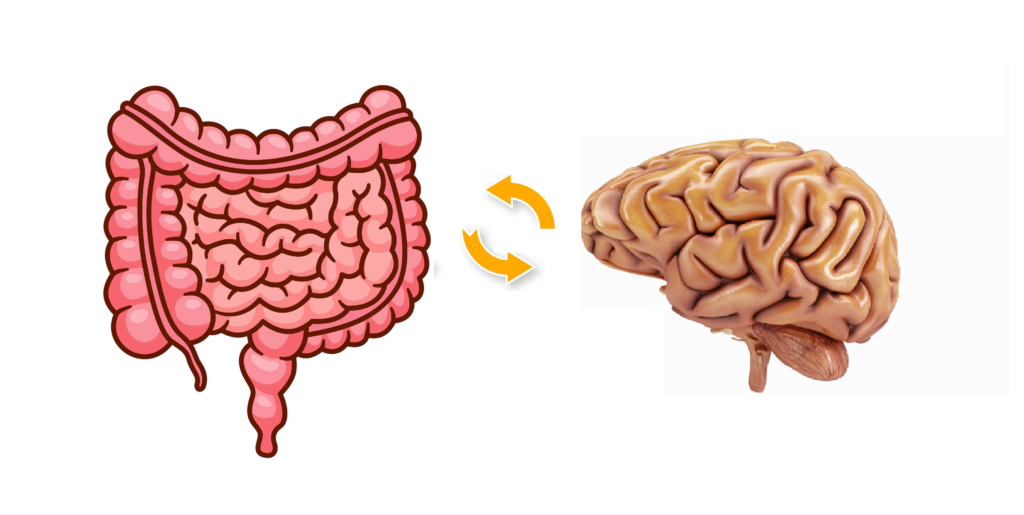
The gut and the brain are constantly in communication. This two-way connection is known as the gut-brain axis. Signals travel through the vagus nerve, hormones, and chemical messengers. When your gut is balanced, it sends positive signals that help regulate mood and reduce stress. When it’s imbalanced, the opposite can happen—anxiety, low energy, and even depression can follow.
Interestingly, about 90% of serotonin—the “feel-good” neurotransmitter—is produced in the gut. This means that the health of your gut directly affects how much of this happiness-boosting chemical circulates in your body.
Signs Your Gut Health May Be Affecting Your Mood
A healthy gut is usually invisible; it works quietly in the background. But when something is off, your body sends signals. Some signs that your gut health may be influencing your happiness include:
- Frequent digestive issues like bloating, gas, or diarrhea
- Constant fatigue or lack of focus
- Increased feelings of anxiety or irritability
- Trouble sleeping or poor sleep quality
- Unexplained mood swings
If you recognize several of these symptoms, it may be worth exploring your gut health as a potential root cause.
Foods That Boost Gut Health and Happiness
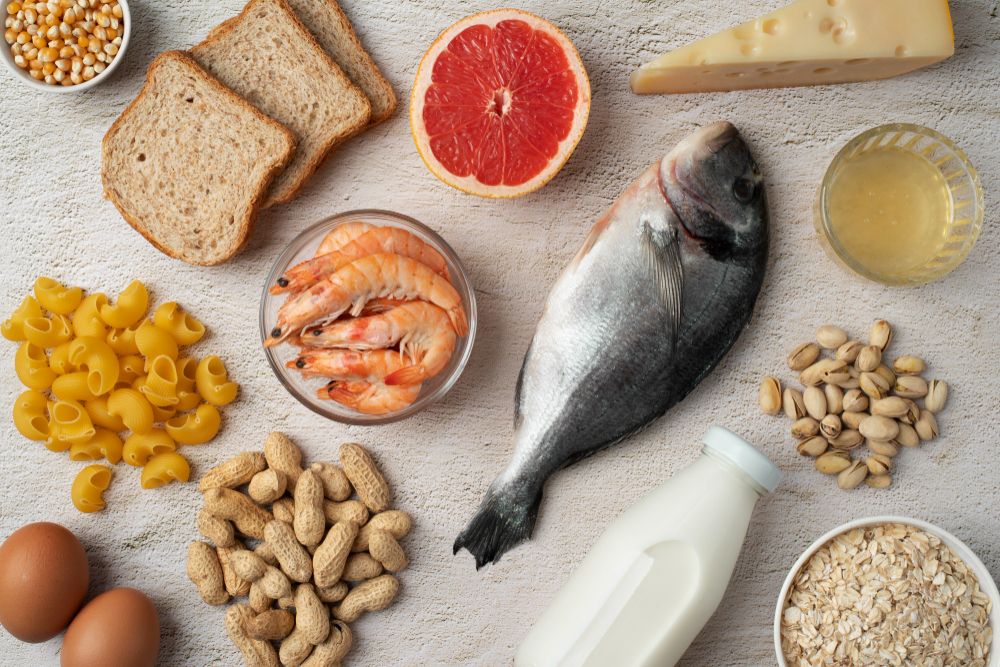
Diet is one of the most powerful tools for improving your gut microbiome. Certain foods naturally encourage the growth of beneficial bacteria, while others damage balance. To nourish your gut and lift your mood, focus on these:
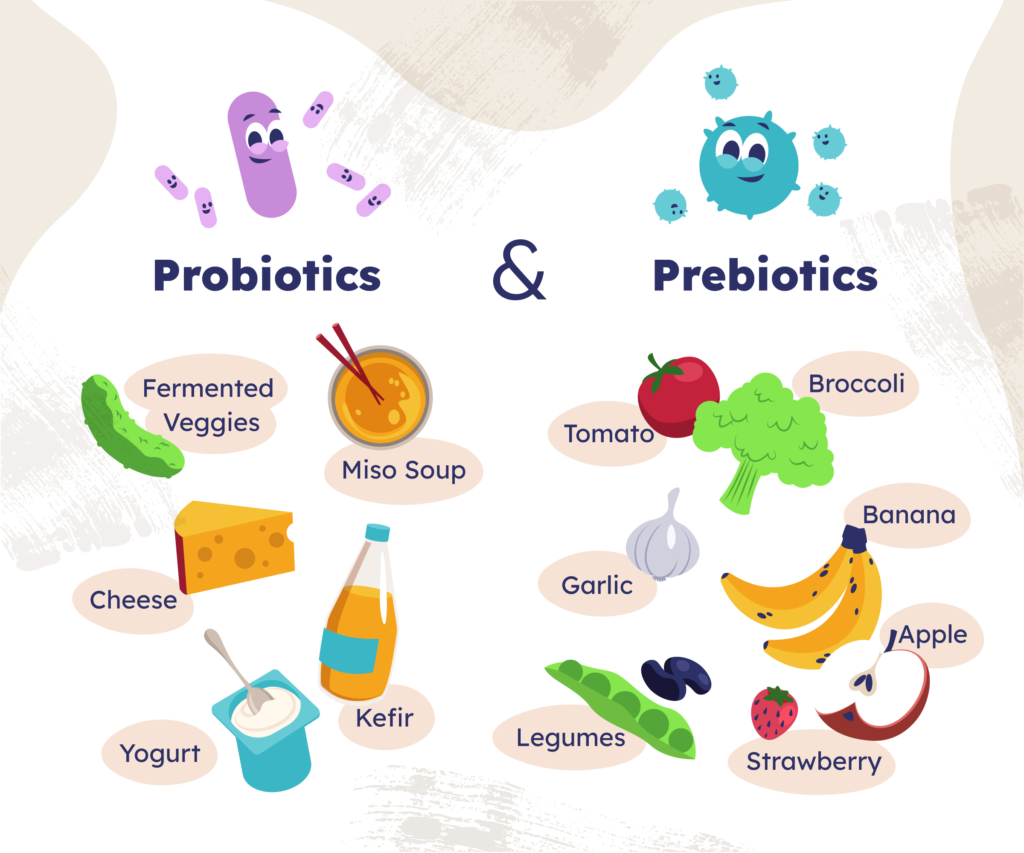
- Fermented foods: Yogurt, kefir, kimchi, and sauerkraut provide probiotics.
- Prebiotic-rich foods: Garlic, onions, leeks, and bananas feed good bacteria.
- High-fiber foods: Whole grains, beans, and vegetables help digestion.
- Polyphenol-rich foods: Berries, green tea, and dark chocolate reduce inflammation.
- Omega-3 fatty acids: Salmon, walnuts, and flaxseeds support brain health.
Reducing sugar, alcohol, and processed foods is equally important, as they can encourage harmful bacteria to thrive.
Lifestyle Habits That Strengthen the Gut-Brain Connection
Beyond diet, lifestyle plays a huge role in gut health. Stress, poor sleep, and lack of movement disrupt the microbiome. On the other hand, healthy habits can strengthen the gut-brain connection.
- Manage stress: Practices like meditation, yoga, or deep breathing lower cortisol levels.
- Exercise regularly: Even moderate activity supports healthy bacteria diversity.
- Prioritize sleep: Aim for 7–9 hours of quality rest to give your gut time to repair.
- Stay hydrated: Water supports digestion and nutrient absorption.
- Limit antibiotics: Only take them when necessary, as they wipe out both good and bad bacteria.
These small but consistent habits add up, creating a healthier gut environment that reflects positively on your mind and mood.
The Role of Probiotics and Supplements
While food should always come first, probiotics and supplements can provide extra support when needed. Probiotics are live beneficial bacteria that restore balance in the microbiome. They’re often used to treat digestive issues and are increasingly studied for their effects on mental health.
Other helpful supplements may include:
- Prebiotic fibers: Feed existing good bacteria.
- Vitamin D: Linked to mood regulation.
- Magnesium: Supports relaxation and reduces stress.
- Omega-3 supplements: Benefit both gut and brain health.
Always consult with a healthcare professional before adding supplements, especially if you’re dealing with chronic issues.
Why Gut Health May Be the Missing Piece to Happiness
The search for happiness often focuses outward—on careers, achievements, or relationships. Yet, the science of gut health reminds us that joy also comes from within. When your gut is in balance, your brain receives clearer signals, your stress levels decrease, and your emotional resilience strengthens.
Happiness, in many ways, is a biological state. And your gut is one of the most influential factors in achieving it.
Conclusion: Take Care of Your Gut, Unlock More Joy
Gut health is more than a digestion issue—it’s a happiness issue. By nurturing your microbiome through diet, lifestyle, and mindful habits, you set the foundation for a calmer mind, better mood, and more fulfilling life.
Your journey toward happiness may be simpler than you think. Start with your gut.
Call-to-action: Begin today by adding a gut-friendly food to your diet, taking a short walk, or practicing mindful breathing. Small steps toward gut health can lead to lasting joy.
